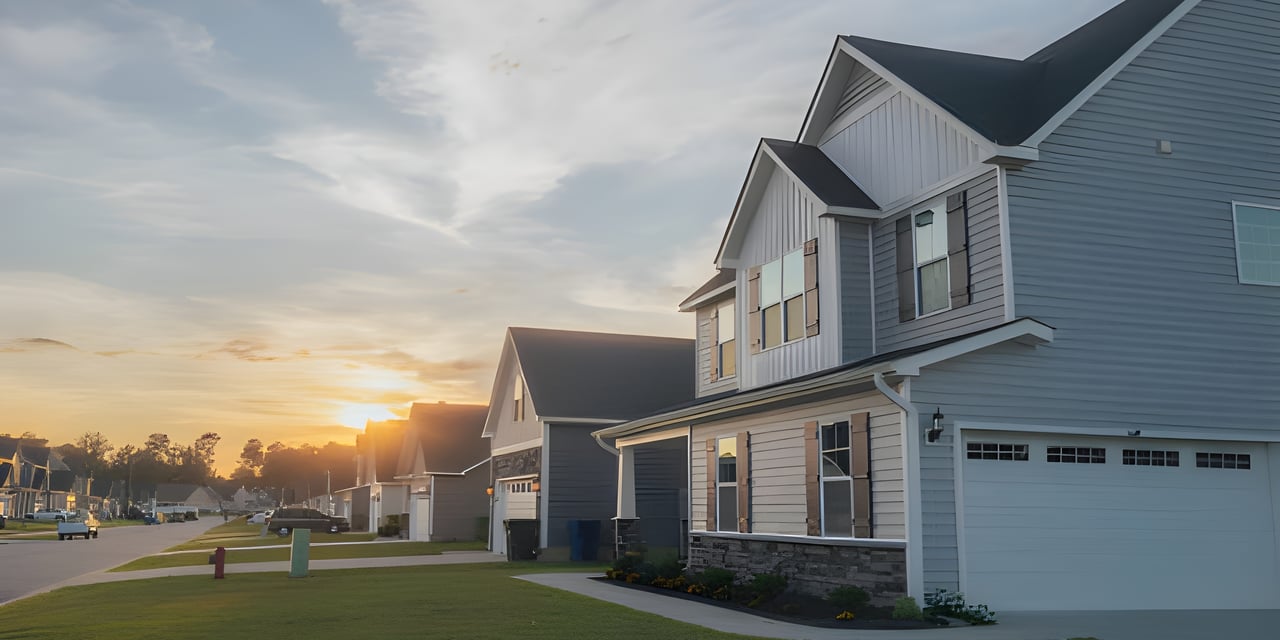
The first major data of 2026 reveals a housing market caught between late-2025 momentum and persistent affordability headwinds. From builder sentiment to insurance premiums, here’s what you need to know.
1. Builder Confidence Softens Amid Affordability Strain
The NAHB/Wells Fargo Housing Market Index (HMI) dipped to 37 in January, retreating from its late-2025 gains. This key measure of builder sentiment highlights ongoing pressures:
-
Affordability & Costs: Rising construction costs and low housing affordability continue to limit activity.
-
Sales & Traffic: Builders' future sales expectations and buyer traffic indices both fell to multi-month lows.
-
Price Cuts & Incentives: To stimulate demand, 40% of builders cut prices in January, while 65% offered sales incentives—a trend that's held for ten straight months.
The takeaway: The supply side remains cautious, relying heavily on discounts to attract buyers in a challenging cost environment.
2. Construction Spending: A Modest, Uneven Rebound
October 2025 construction spending rose 0.5% month-over-month but was down 1.0% year-over-year.
-
Private residential spending saw a monthly increase but remains below 2024 levels.
-
Single-family spending is down -6.1% year-over-year, while the pullback in multifamily appears to be flattening.
-
Looking ahead: Fluctuating interest rates and winter weather suggest near-term weakness in building activity.
3. California Home Insurance: A Glimpse at 2026 Premiums
Mercury and CSAA (AAA) received approvals to raise average premiums by 6.9% in 2026, the first under California’s new Sustainable Insurance Strategy.
-
Effective Dates: CSAA starts March 15; Mercury begins July 1.
-
Impact: Changes will vary widely by location and risk (from a 10% decrease to a 60% increase for some).
-
Silver Lining: Both insurers committed to expanding coverage in high-risk "distressed" areas, which may improve access.
The takeaway:** Homeownership costs are rising beyond mortgage rates, with insurance becoming a significant factor in affordability, especially in California.
4. Policy & Rates: The Greenland Tariff Volatility
A brief geopolitical stir affected mortgage markets. Threats of U.S. tariffs over Greenland caused rates to jump above 6.2%. When the tariffs were canceled last week, rates stabilized and edged lower, though not fully recovering their prior lows. This event underscores how policy uncertainty can create short-term rate volatility.
5. Late-2025 Sales Momentum Carries Into The New Year
A delayed report showed new home sales surged in September and October 2025, rising 18.7% year-over-year in October.
-
Drivers: This leap was fueled by lower mortgage rates and the widespread builder incentives noted above.
-
Inventory: The sales pickup reduced the supply of new homes to a 7.9-month inventory, the lowest since November 2024.
Bottom Line: The housing market enters 2026 with mixed signals. Solid late-2025 sales show demand is responsive to lower rates and incentives. However, softening builder confidence, rising construction and insurance costs, and rate volatility remind us that the path forward remains constrained by affordability. Watch builder incentives and insurance trends as key indicators of market direction this year.
Would you like more insights on how this trend could impact your real estate decisions? Give us a call or if you'd like to schedule a meeting, email us at [email protected]